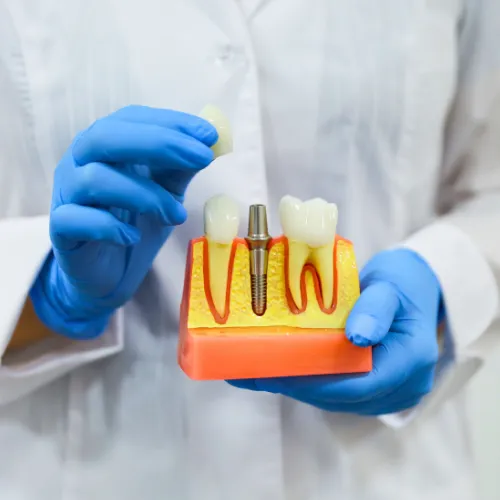
Dental Implants That Feel Like You Got Your Tooth Back
Wondering if implants are right for you? Learn timing, gum and bone factors, plus MRI and airport facts. Call today.
Read More

General Dentistry
There are certain parenting moments that feel small in the moment but end up shaping a child’s entire future. Teaching a child to tie their shoes, helping them form a bedtime routine, showing them how to tidy up after playtime. Somewhere on that list sits another quiet but meaningful habit: learning how to care for their teeth.
You would be surprised how many adults admit that no one really taught them how to take care of their teeth properly as kids. Some remember chewing the toothbrush instead of using it. Others remember brushing only when they felt like it. And many say they wish someone had explained why brushing mattered long before their first cavity lesson.
Kids do not need perfect technique at first. What they need is rhythm, routine, and consistency. The skill comes with time. The understanding comes with age. But the habit starts early, and that habit can protect their smiles for decades.
That is why parents who want to build strong dental foundations often ask the same question: what exactly are the basics for keeping a child’s teeth clean and healthy? What actually matters? And what does a dentist want you to focus on during the early years?
At Vartanian Dental Group, we love seeing parents who want to set their kids up for lifelong oral health. It makes our work easier, and it keeps little smiles thriving. This blog breaks down everything you need to know about teeth cleaning for kids, from the first days of infancy to the preteen stage, when independence begins to kick in. You will find the answers parents ask most often, along with reassuring tips you can start using today.
Kids love routine. Their bodies and brains thrive on predictable patterns. Brushing works best when it becomes a natural part of that pattern. When kids know that brushing happens after breakfast and again before bed, it stops feeling like a chore and starts feeling like another part of daily life.
The truth is that children learn dental habits long before they understand dental consequences. Cavities do not motivate a child who has never felt toothache pain. What motivates them is predictability, praise, and a sense of accomplishment.
At this stage, parents can:
Kids are not aiming for perfection. They are learning the rhythm.
Even the most dedicated parents sometimes fall into habits that affect their child’s oral health. Here are some of the most common ones:
1. Letting brushing happen only when the child feels like it:
This gives kids too much control. Consistent routines keep cavities away.
2. Assuming older kids can brush well without supervision:
Their technique may look good but often misses key areas.
3. Using too much toothpaste:
Kids often swallow toothpaste, so proper amounts matter.
4. Forgetting that snacks affect oral health:
Sticky snacks, juices, and frequent grazing increase cavity risk.
5. Waiting too long to schedule a dental visit:
Regular checkups catch small problems before they become big ones.
These mistakes are common and easy to correct once you know what to look for.
Parents should begin cleaning their child’s gums as soon as the baby is born. This gentle cleaning lays the foundation for oral hygiene long before the first tooth emerges. While it may feel unnecessary at first, wiping the gums removes milk residue and bacteria that build up naturally throughout the day.
Once the first tooth breaks through, brushing with a soft toothbrush becomes part of the daily routine. This means that even if your baby has just a single tooth, brushing already matters. A tooth can develop a cavity as soon as it appears. Starting early keeps it protected.
Think of this phase as a warm-up. You are helping your child get used to the sensation and building habits that will stay with them as they grow.
Toothpaste amounts change as your child grows.
Here is a simple breakdown:
For infants and toddlers under 3 years old:
Use a smear of toothpaste about the size of a grain of rice. This is enough to clean their teeth without exposing them to too much fluoride.
For children 3 to 6 years old:
Use a pea-sized amount of toothpaste. At this age, kids can spit better, but supervision is still needed to ensure they do not swallow large amounts.
For children 6 and older:
A pea-sized amount remains perfect. Even though kids this age understand how to spit, more toothpaste does not equal better results. Technique matters more than quantity.
Parents often assume they need to cover the entire toothbrush like the commercials show, but that is unnecessary. A small amount is all your child needs to get the benefits of fluoride and effective cleaning.
Children should have professional cleanings every six months, just like adults. These visits help remove plaque and tartar that brushing alone cannot reach.
There are differences, however, in what happens during a child’s cleaning. Pediatric or family dentists focus on early cavity detection, growth patterns, and long-term tooth development. Cleanings also play an important role in preventing issues like early decay, gum irritation, and enamel weakening.
Routine appointments also help children:
Some children who are more prone to cavities may benefit from more frequent cleanings, especially if they have deep grooves in their molars, a history of decay, or medical conditions that increase risk. Your dentist can personalize this schedule based on your child’s needs.
Teeth cleaning is not only about brushing and flossing. What kids eat plays a significant role. Sugary foods, frequent snacking, and sticky treats raise the risk of cavities even when brushing habits are good.
Parents often do not realize how much sugar hides in “healthy” snacks. Fruit juices, gummy vitamins, granola bars, dried fruits, flavored yogurts, and even packaged toddler snacks can leave sugar coating the teeth long after mealtime.
Here are simple ways to help:
These small shifts make a big difference in preventing decay.
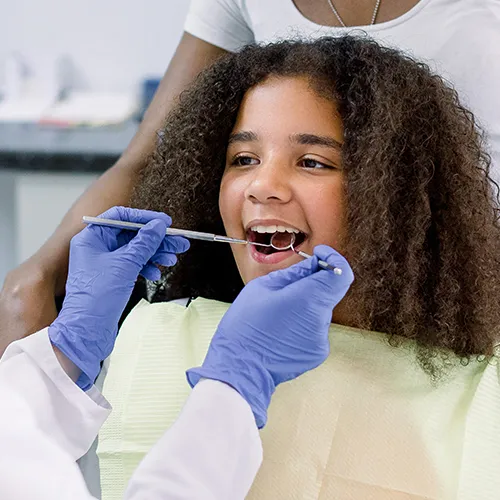
A lot of parents feel unsure about what actually happens during a child’s professional cleaning. Knowing what to expect helps you prepare and helps your child feel relaxed.
During a typical visit, your child will:
Our goal is always to make visits calm and positive. When children associate the dentist with comfort instead of fear, they grow into adults who care for their oral health willingly.
Children may not always announce discomfort or dental issues. As a parent, noticing early signs can prevent bigger concerns later.
Look out for:
If any of these appear, it is a good time to schedule a checkup.
Teeth cleaning for kids does not need to be complicated. It is built on simple, consistent habits that start early and grow with your child. From gum cleaning in infancy to supervised brushing in the elementary years, every stage plays a part.
If you are uncertain about anything or simply want reassurance that your child’s oral health is on track, we would love to help you. Vartanian Dental Group offers a warm and supportive environment where children feel safe and parents feel informed.

Mission Viejo, CA dental office








Mon-Thurs 7:30-5 pm
Fri 7:30-3 pm
Sat & Sun Closed
26302 La Paz Rd. #203
Mission Viejo, CA 92691
Mission Viejo, CA caring dentist
Check out what our happy clients are saying.







Industry Accreditations Mission Viejo, CA







Best smiles Mission Viejo, CA
#VartanianDentalGroup
Check us out and follow our accounts on the following social media platforms for more healthy smiles....