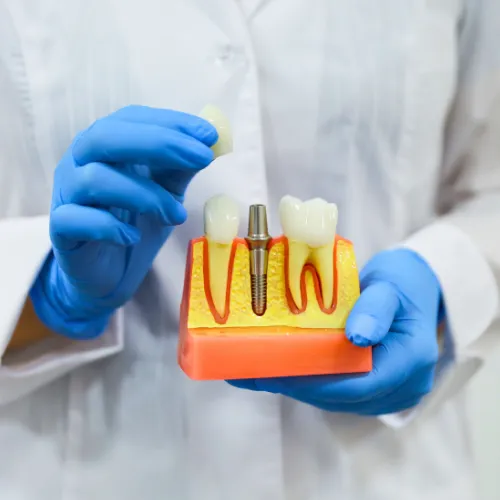
Dental Implants That Feel Like You Got Your Tooth Back
Wondering if implants are right for you? Learn timing, gum and bone factors, plus MRI and airport facts. Call today.
Read More

Restorative Dentistry, Implant Dentistry
Losing a tooth is rarely just about the gap.
It is the little things that start to feel different. The way you chew on one side without thinking. The way you pause before you laugh wide. The way you automatically cover your mouth in photos, even if you never used to.
And then there is the quiet practical side of it. Teeth do not just sit there looking nice. They keep your bite balanced, help you speak clearly, and support the jawbone underneath them.
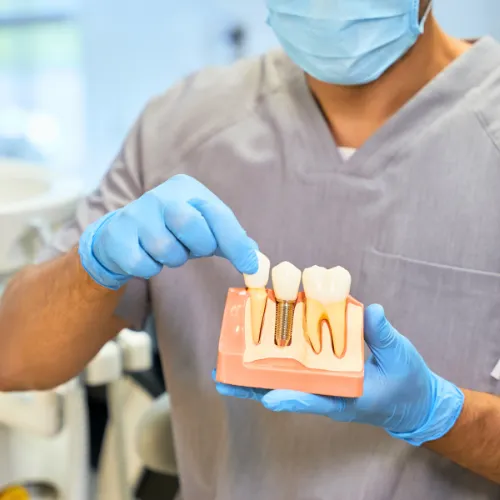
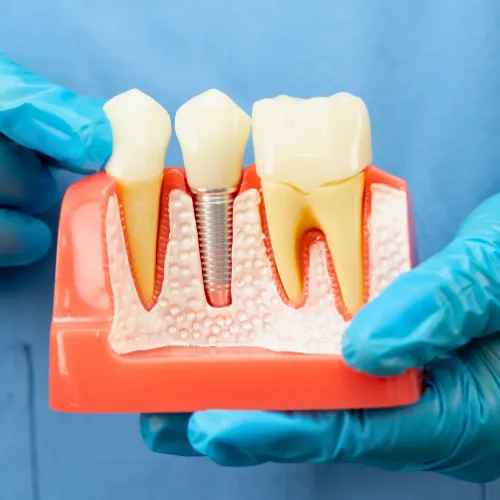
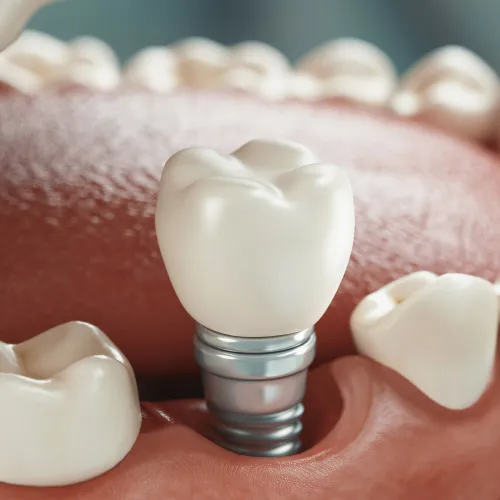
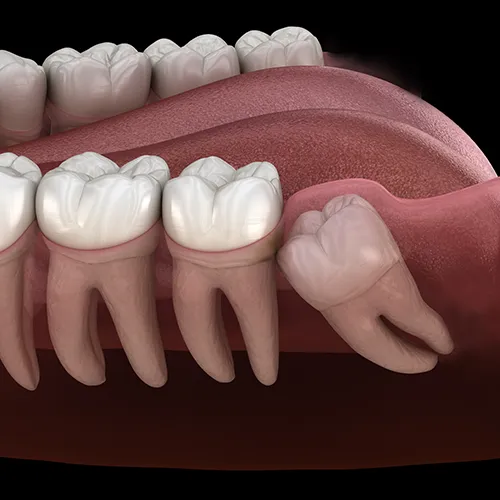
That is why dental implants have become such a popular option. They are not simply a “replacement tooth.” They are designed to replace the root too, which matters more than most people realize.
In this article, we are going to talk about what implants are really like in everyday life, who they work best for, what timing means after an extraction, and a few questions people are often surprised to learn they should ask.
Yes, many people still can, but it depends on the severity and whether the gum disease is active.
Think of it this way: placing an implant into an unhealthy environment is like renovating a home with an active leak. You can build something beautiful, but the foundation will keep getting damaged.
We focus on three big questions:
Bone loss does not automatically mean “no implants.” It often means we add a step.
Possible solutions include:
The key is timing and stability. If you have had gum issues in the past, we may also talk about a long term maintenance plan, because keeping gum inflammation low is crucial for implants too.
Bottom line: If you have gum disease or bone loss, it is worth getting evaluated. Many patients assume they are not candidates, then find out they simply need the right sequence of care.
This is one of the most important implant questions, and it is not just about aesthetics.
After a tooth is removed, the jawbone in that area starts to change. Without a root stimulating it, the bone can shrink over time. Gum tissue can also shift. That can affect how straightforward implant placement will be later.
If you wait “too long,” a few things may happen:
Sometimes, yes. In certain cases, waiting is actually part of a healthy plan. For example:
Rather than guessing about timing, we prefer to create a simple plan based on your situation.
A helpful “next step” checklist looks like this:
If you had an extraction months or years ago, do not assume it is too late. It may simply mean we plan differently to rebuild what has changed.
This question is more common than you might think, and it is a fair concern.
Most dental implants are made of titanium or titanium alloys, and some implants can also be zirconia (ceramic). In general, dental implants are small and are not the type of metal that commonly triggers airport screening.
Practical reality: Most people with implants travel without any issue at all.
If you are someone who travels frequently and you are anxious about it, tell us. We can explain what your implant is made of and what to expect.
Dental implants are generally considered compatible with MRI scans for most patients. Titanium is widely used in medical devices because it behaves well in the body.
That said, imaging centers still ask about implants and medical devices because they are doing their safety checks. The right move is simple:
Always tell the MRI technologist you have a dental implant. They will note it and proceed appropriately.
In some cases, dental work can cause minor artifacts on images near the mouth or jaw, but that is an imaging quality issue, not usually a safety issue.
If you ever need documentation, our office can help you understand what type of implant material you have so you can answer confidently on medical forms.
Implants are designed to be a long term solution. Many can last for decades, and some patients keep them for life.
But longevity depends on a few controllable factors.
Implants tend to last longer when you:
A crown can sometimes need replacement over time due to normal wear, just like a crown on a natural tooth might. The implant itself is often the part that stays stable the longest, assuming the surrounding bone and gums remain healthy.
Many people worry that implants require complicated maintenance. Usually, they do not.
Your routine is typically:
Watch for these early warning signs:
None of these automatically mean implant failure, but they do mean it is time to get checked.
If you are considering implants, here are a few questions that can clarify your direction quickly.
Ask yourself:
And here is the most important one:
Do I want a plan tailored to my mouth, not a generic recommendation?
Because that is what makes implant treatment feel simple, even when it is complex behind the scenes.
If you are missing a tooth, planning an extraction, or you have had a gap for a while and want to know what is still possible, let’s take the guesswork out of it.
At Vartanian Dental Group, we will evaluate your gums, your bone support, your bite, and your timeline, then walk you through the most sensible options for your situation.
Call Vartanian Dental Group to schedule your dental implant consultation and get a clear plan you can feel good about.



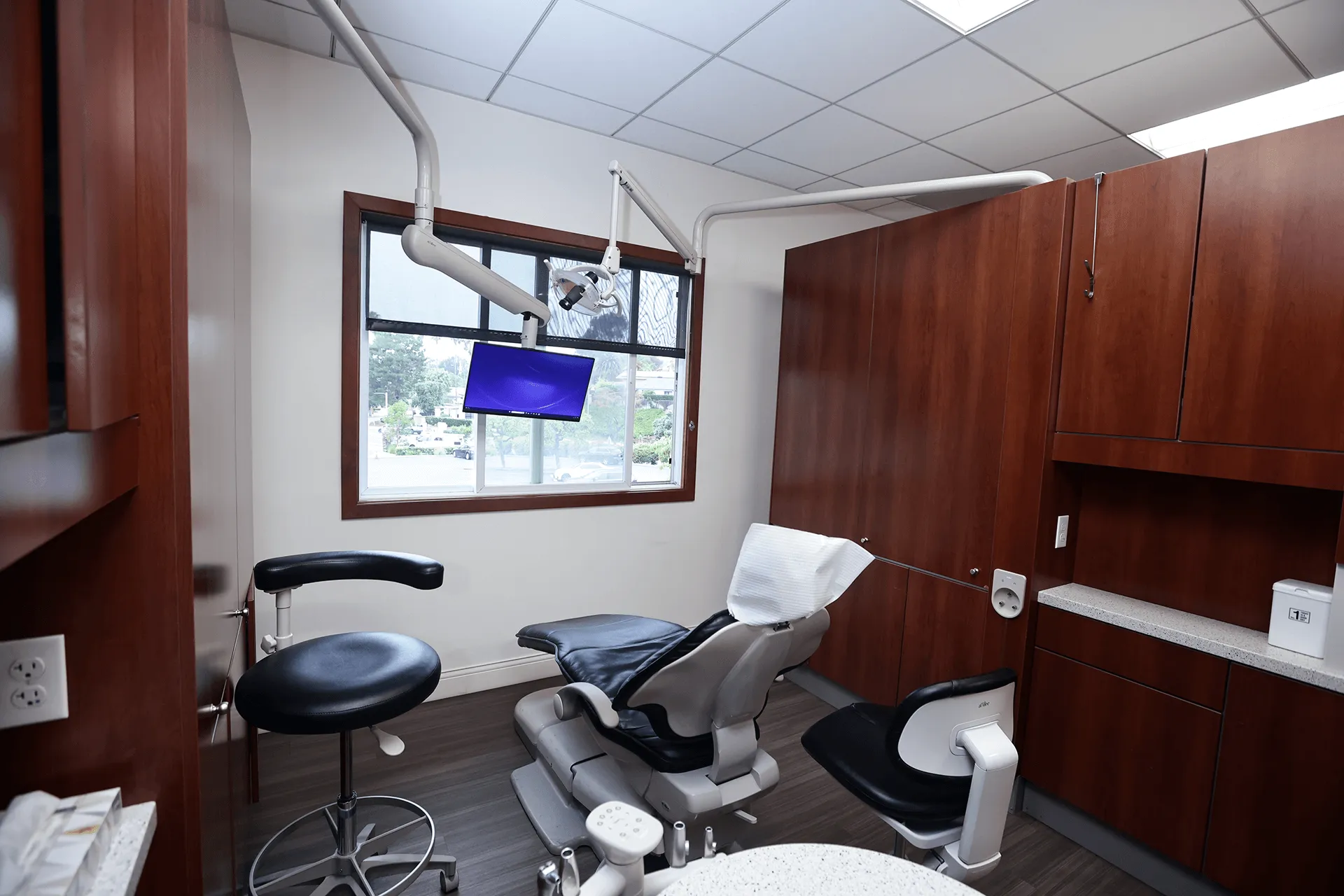
Mission Viejo, CA dental office





Mon-Thurs 7:30-5 pm
Fri 7:30-3 pm
Sat & Sun Closed
26302 La Paz Rd. #203
Mission Viejo, CA 92691
Mission Viejo, CA caring dentist
Check out what our happy clients are saying.








Industry Accreditations Mission Viejo, CA






Best smiles Mission Viejo, CA
#VartanianDentalGroup
Check us out and follow our accounts on the following social media platforms for more healthy smiles....