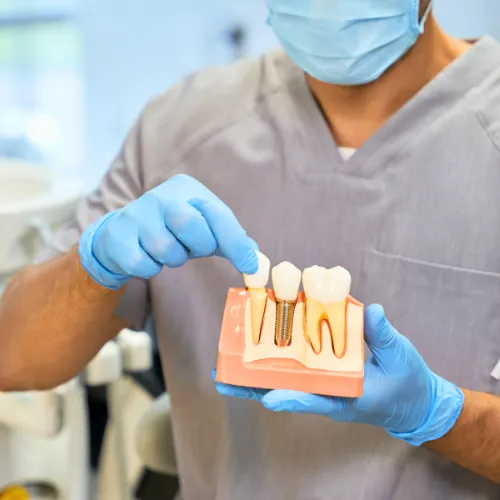
Making Dental Implants Last a Lifetime: What Really Makes the Difference
Learn how proper care, healthy habits, and regular dental visits help dental implants last for decades or even a lifetime
Read More

General Dentistry
Getting dental implants is a big step, often one people take after years of dealing with missing teeth, discomfort, or self-conscious smiles. Implants are designed to be strong, stable, and long-lasting, but their success does not end the day they are placed. What happens after the procedure matters just as much as the treatment itself.
At Vartanian Dental Specialists, we often remind patients that dental implants are not something you simply “get and forget.” They are an investment in your oral health, your confidence, and your quality of life. With the right care, habits, and professional support, implants can last decades and in many cases, a lifetime.
This article looks beyond the basics to explain what truly helps dental implants stand the test of time and what can quietly shorten their lifespan if left unchecked.
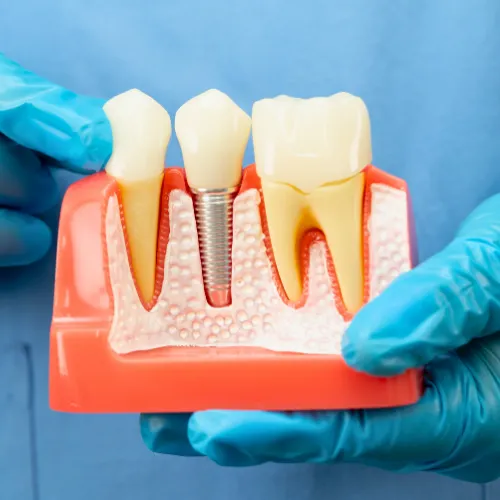
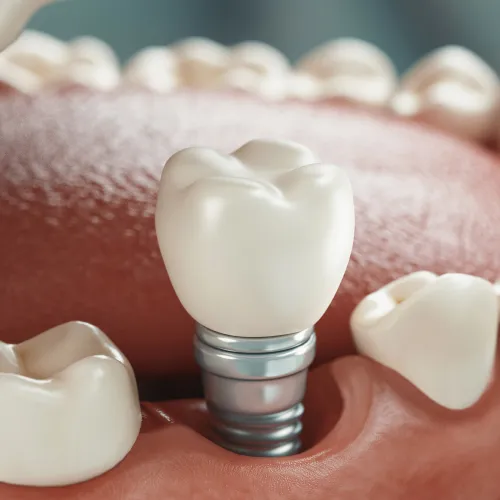
Dental implants are designed to replace both the visible tooth and its root. Unlike dentures or bridges, implants integrate directly with the jawbone through a process called osseointegration. This fusion creates a stable foundation that mimics the strength and function of natural teeth.
What makes implants different from other tooth replacements?
That said, even the strongest foundation needs proper care. Longevity is influenced by daily habits, oral health routines, and ongoing professional monitoring.
The long-term success of dental implants comes down to a combination of good planning, skilled placement, and consistent aftercare. While the implant itself is designed to last, the surrounding tissues play an equally important role.
Key factors that support long-lasting implants include:
1. Proper placement and planning: Implants that are carefully planned using imaging and placed with precision tend to integrate better with the bone. Factors like bite alignment, bone quality, and spacing all matter. When implants are placed thoughtfully, they experience less stress over time.
2. Healthy gums and bone: Implants rely on healthy gum tissue and strong bone support. Gum inflammation or bone loss around an implant can compromise its stability, even if the implant itself is intact.
3. Consistent oral hygiene: Daily brushing and cleaning around implants prevents plaque buildup, which can lead to inflammation and infection around the implant site.
4. Regular professional care: Routine dental visits allow small issues to be addressed early. Professional cleanings and exams help ensure the tissues around implants remain healthy.
5. Balanced bite and chewing habits: A properly balanced bite reduces excess force on implants. Grinding, clenching, or uneven pressure can increase wear over time if not managed.
Implants are remarkably durable, but they are not immune to neglect. Their success depends on the environment they are placed in and how that environment is maintained.
One of the biggest misconceptions is that implants do not need the same level of care as natural teeth. While implants cannot develop cavities, the tissues around them are still vulnerable to disease.
The role of gum health
Gum health is critical for implant longevity. Inflammation around an implant, often referred to as peri-implant disease, can lead to bone loss if not addressed. This condition often begins silently, with mild redness or bleeding that can easily be overlooked.
Daily care matters more than people realize
Effective oral hygiene helps keep bacteria away from the implant site. This includes:
Why professional cleanings are essential
Even with excellent home care, plaque can harden into calculus in hard-to-reach areas. Professional cleanings help remove buildup without damaging implant surfaces and allow your dentist to monitor tissue health closely.
Oral health is connected to overall health
Conditions such as diabetes, if poorly controlled, can affect healing and increase the risk of inflammation around implants. Maintaining overall health supports better outcomes for your smile.
In short, oral health maintenance creates the conditions implants need to remain stable, functional, and comfortable year after year.
Implants are strong, but certain habits and conditions can place them under unnecessary stress. These issues often develop gradually, which is why awareness is so important.
Smoking and tobacco use: Tobacco reduces blood flow to the gums, making it harder for tissues to heal and fight infection. Smoking is one of the most common risk factors for implant complications.
Teeth grinding and clenching: Grinding places excessive force on implants, especially at night when it goes unnoticed. Over time, this stress can affect both the implant and the surrounding bone.
Skipping dental visits: Minor inflammation or bite changes may not cause pain at first. Without regular checkups, small issues can progress into more serious problems.
Poor oral hygiene habits: Inconsistent cleaning allows plaque to accumulate around implants, increasing the risk of gum inflammation and bone loss.
Ignoring early warning signs: Bleeding gums, tenderness around the implant, or changes in how the implant feels when chewing should never be ignored.
Being proactive rather than reactive makes a significant difference in long-term outcomes.
Daily habits often determine whether implants remain stable for decades or face preventable complications. The good news is that many of these habits are within your control.
Habits that help implants last longer
1. Maintaining a consistent oral care routine: Brush and clean around implants daily, just as you would natural teeth.
2. Attending regular dental checkups: Routine exams allow your dentist to monitor bone levels, gum health, and bite alignment.
3. Wearing a night guard if recommended: For patients who grind or clench, a night guard helps protect implants from excess force.
4. Eating a balanced diet: Good nutrition supports gum health and bone strength, both of which are essential for implant stability.
5. Addressing issues early: Prompt attention to discomfort, inflammation, or changes in bite can prevent long-term damage.
Habits that can shorten implant lifespan
1. Smoking or using tobacco products: This significantly increases the risk of implant complications.
2. Using teeth as tools: Biting hard objects or using teeth to open packaging puts unnecessary stress on implants.
3. Skipping cleanings and exams: Problems that go unnoticed tend to worsen over time.
4. Ignoring oral health changes: Subtle symptoms often appear before major issues develop.
Small daily choices add up over the years. Consistency, rather than perfection, is what keeps implants performing at their best.
The period after implant placement is just as important as the surgery itself. Follow-up visits allow your dental team to confirm proper healing and integration with the bone.
During these visits, your dentist may:
These appointments are not simply routine. They are a key part of ensuring your implant continues to function comfortably and predictably.
Dental implants are one of the most reliable and natural-feeling ways to replace missing teeth. Their success, however, is not based on materials alone. It is shaped by care, consistency, and collaboration between patient and provider.
At Vartanian Dental Specialists, we see implants as part of a long-term relationship with your oral health. With the right guidance and maintenance, implants can support your smile through decades of daily life, meals, conversations, and confidence.
If you have dental implants or are considering them, the best next step is a personalized evaluation. Every mouth is different, and long-term success starts with understanding your unique needs.



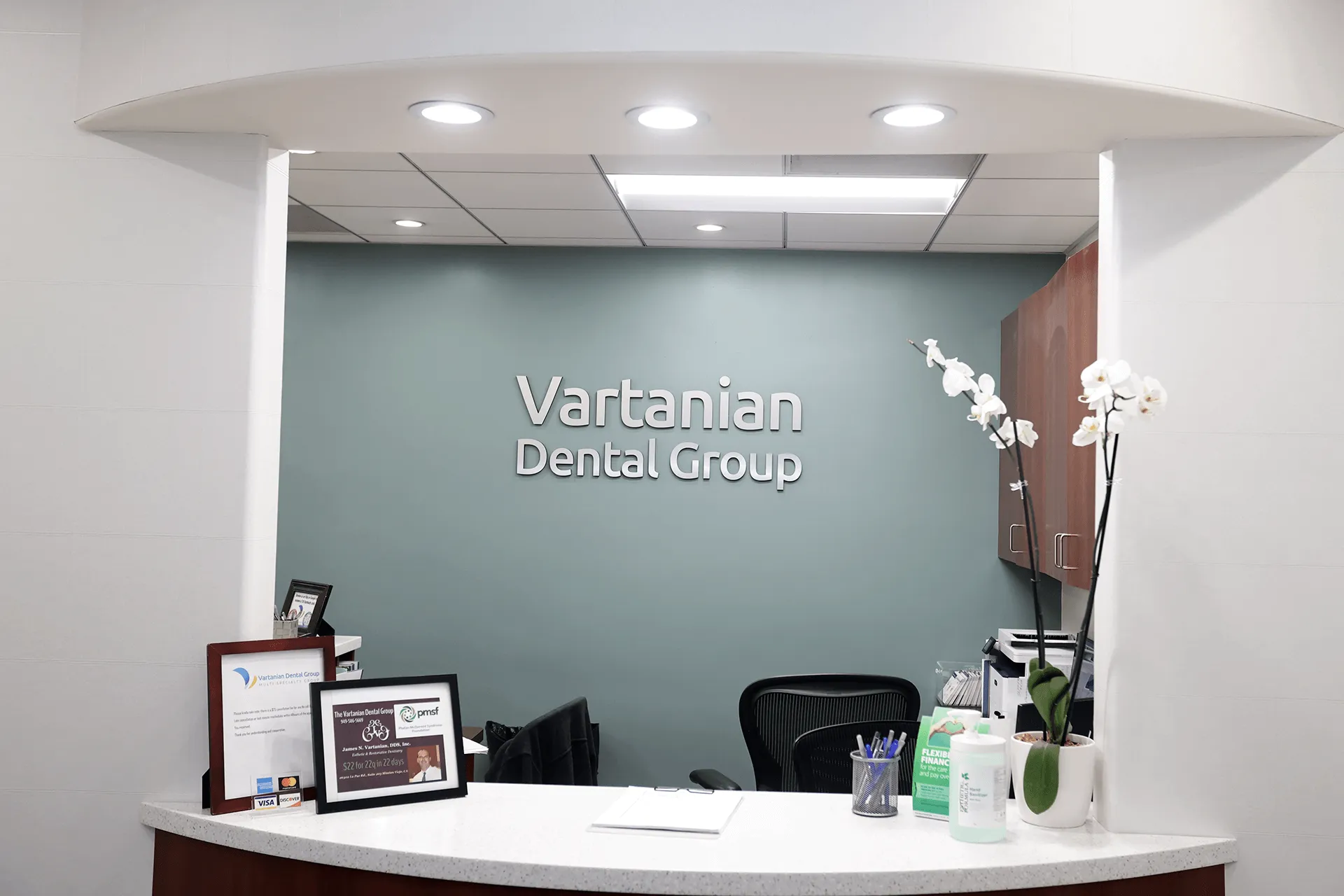
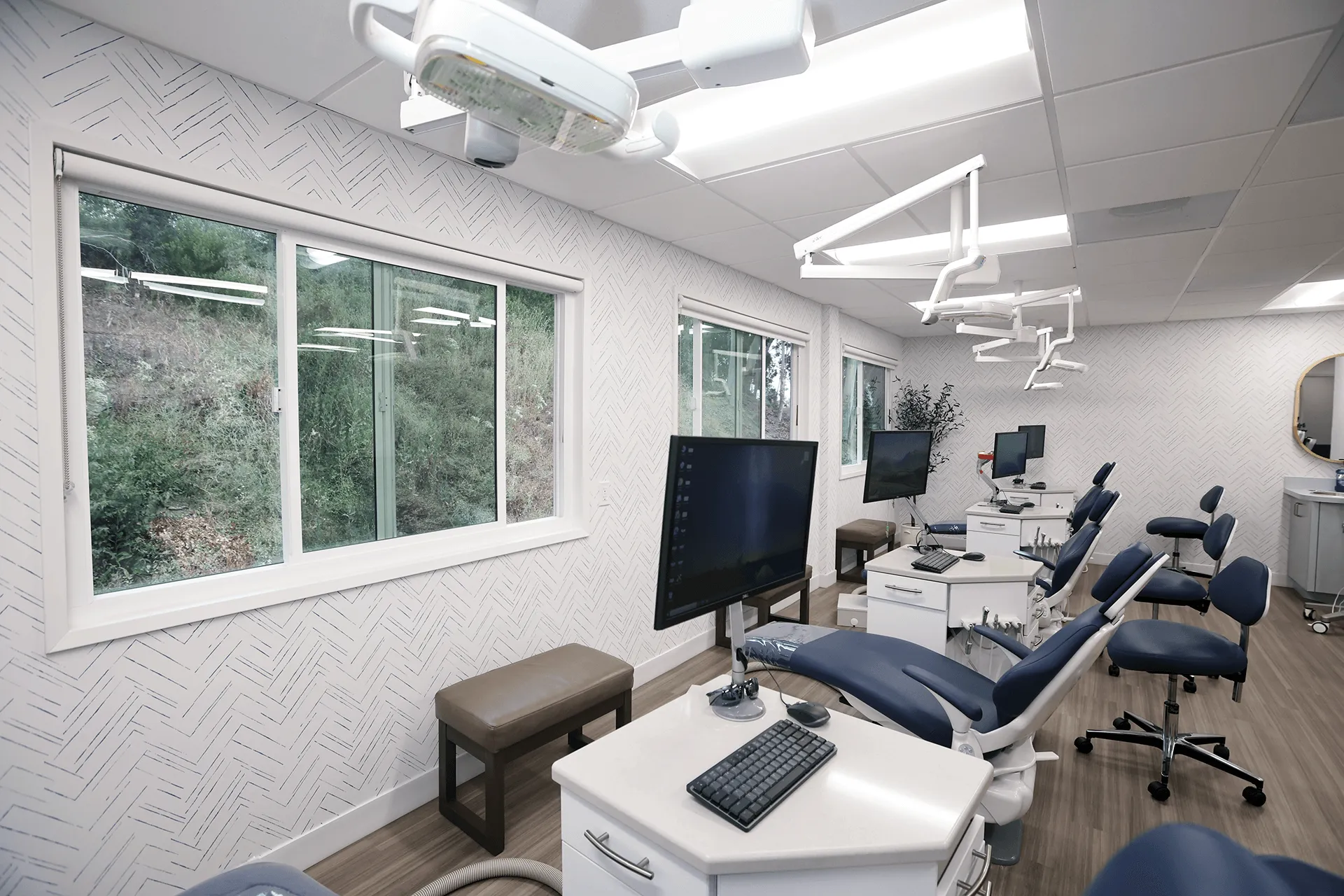
Mission Viejo, CA dental office





Mon-Thurs 7:30-5 pm
Fri 7:30-3 pm
Sat & Sun Closed
26302 La Paz Rd. #203
Mission Viejo, CA 92691
Mission Viejo, CA caring dentist
Check out what our happy clients are saying.









Industry Accreditations Mission Viejo, CA







Best smiles Mission Viejo, CA
#VartanianDentalGroup
Check us out and follow our accounts on the following social media platforms for more healthy smiles....